

Capital does not move only because opportunity exists. It moves when opportunity becomes visible, legible, trusted, and reachable.
That is the work underneath this month’s issue. Across investor forums, LP-GP convenings, portfolio updates, regional innovation programs, founder competitions, and the launch of The Great 38™, one pattern is clear: access is being rebuilt as infrastructure.
The Signal
As B. has framed it across our ecosystem:
“…a room becomes infrastructure when it changes what people can say, see, ask for, offer, remember, and build together.”
That is not just true for salons or convenings. It is true for venture.
A summit can be a room. A founder database can be a room. A regional map can be a room. A portfolio update can be a room. But none of those become infrastructure until they change who gets seen, who gets diligence, who gets trusted, and who gets capital.
This month, we are tracking the access layer: the systems that make overlooked founders, emerging managers, regional markets, and durable companies easier to find before they become consensus.
The Great 38™ as Community Intelligence
We are launching The Great 38™ as a public-facing map, signal layer, and community intelligence project.
The thesis is simple: the country’s venture capital map does not match the country’s economic map. The Great 38™ focuses on the South, Midwest, Mountain West, and Southwest — regions where founders, operators, workers, research institutions, supply chains, and durable local advantages are often stronger than the capital attention they receive.
Our goal is not to flatten these markets into “non-coastal” shorthand. Our goal is to listen state by state, city by city, founder by founder.
We are seeking community input. Send us the founders, companies, funds, local investors, operators, accelerators, university labs, industry clusters, events, and market advantages that outsiders routinely miss.
Help us build the map.
Portfolio Pulse
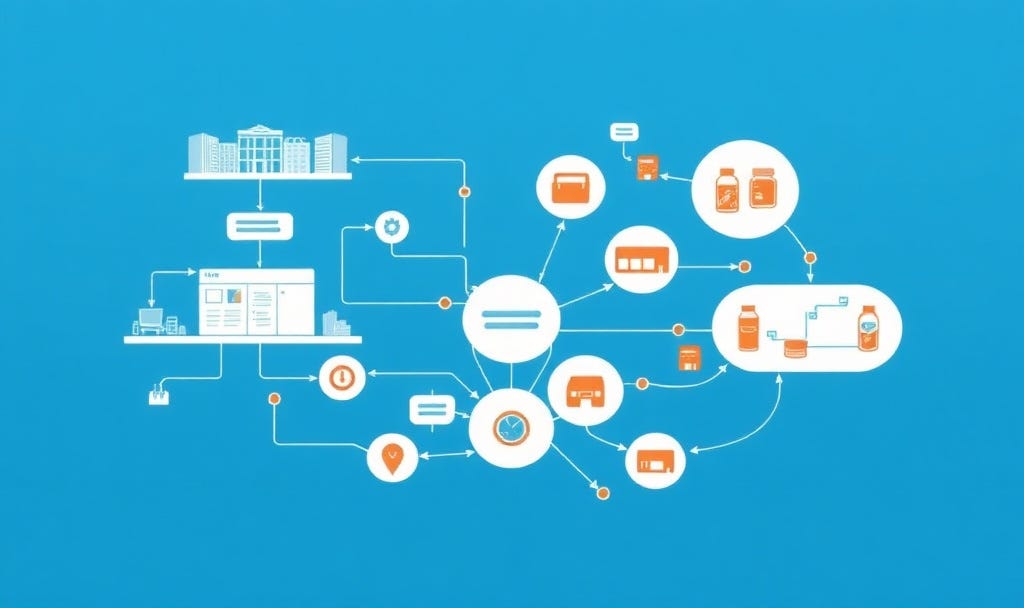
Precision Epigenomics — clinical validation as access infrastructure
Precision Epigenomics continues to show why access in healthcare depends on more than product availability. It depends on clinical evidence, reimbursement pathways, and trusted institutional validation.
The University of Arizona is leading a clinical study evaluating Precision Epigenomics’ EPISEEK-MPE test, supported by the National Cancer Institute’s SBIR program. The study is part of the pathway for evaluating whether EPISEEK-MPE can support earlier and more accurate cancer detection in patients with pleural effusions.
The signal for investors is not only the science. It is the pathway.
In healthcare, promising technology becomes scalable only when it moves through the evidence systems that clinicians, payers, regulators, and institutions trust. Clinical study infrastructure is access infrastructure.
Allocation implication: For diagnostic companies, the investable signal is not simply technical capability. It is whether the company is building the evidence, institutional relationships, and adoption pathways required for clinical use.
Read more: University of Arizona clinical study on EPISEEK-MPE
O’kra — cultural memory as consumer distribution
O’kra sparkling okra water brand is building in a different kind of access layer: consumer trust rooted in culture, story, and availability.
Following a successful Juneteenth variety-pack promotion, O’kra has opened pre-orders for its core lineup, continuing to position the brand within a cultural narrative of heritage and wellness.
For consumer founders, the signal is straightforward: distribution is not only shelf space. It is story, timing, identity, and repeatable access to the communities most likely to understand the product’s meaning before the broader market catches up.
Allocation implication: Consumer products with cultural specificity can create early trust and demand before broad retail validation. The diligence question is whether the brand can convert that trust into repeatable distribution, wholesale readiness, and durable margin structure.
Explore: O’kra
Market Signals from The Great 38™
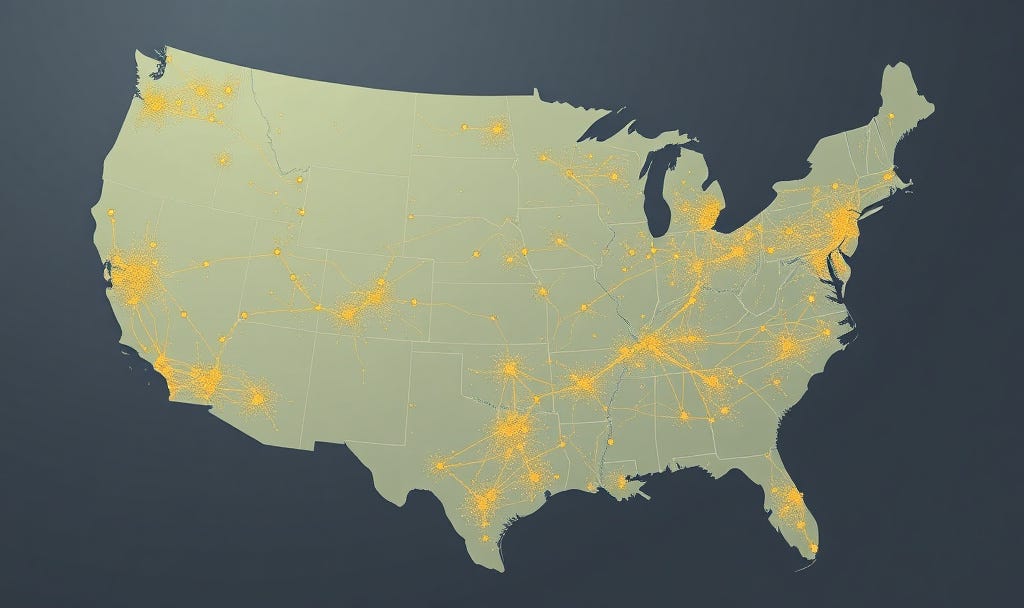
Regional innovation is becoming more explicit
Evidence: The National Science Foundation’s Regional Innovation Engines program is designed to support regional coalitions of researchers, institutions, companies, and local workforce ecosystems. NSF describes each Engine as eligible for up to 10 years of support, with each Engine able to receive up to $160 million.
Signal: Regional innovation is becoming more legible. Public R&D, workforce, university, industry, and commercialization infrastructure are increasingly being organized around specific place-based technology theses.
Allocation implication: Investors can diligence regional advantage more effectively when public infrastructure creates a visible map of who is building, what technical focus areas are emerging, and which local institutions are aligned around commercialization.
Capital access is being formalized for diverse managers
Evidence: NAIC’s 2026 Amplifying Alts Forum is a dedicated alternatives gathering for LPs, GPs, and industry leaders.
Signal: Emerging manager access is becoming more programmatic. Investor convenings are not only networking events; they are structured access infrastructure for manager discovery, allocator education, and relationship-building.
Allocation implication: Emerging managers with differentiated access to overlooked markets still need institutional clarity. The firms that benefit most from these forums will be the ones prepared to translate market edge into diligence-ready strategy, reporting, and portfolio construction.
Founder access still depends on non-dilutive pathways
Evidence: America’s Seed Fund, through SBIR/STTR, provides federal innovation funding to small businesses without requiring founders to give up equity.
Signal: For technical founders, especially in hard tech, healthcare, climate, defense, AI, and advanced manufacturing, non-dilutive funding remains one of the most important early access layers.
Allocation implication: In The Great 38™, where venture density can be thinner, SBIR/STTR pathways may help founders reach technical validation, customer discovery, and investor readiness before priced equity capital is available.
History Made in The Great 38™

Dell — Austin, Texas
Dell is a reminder that durable venture outcomes do not require permission from legacy capital maps.
Founded by Michael Dell, the company became one of the defining examples of direct distribution, supply-chain discipline, and customer proximity in technology. The lesson is not nostalgia. The lesson is that Dell’s edge was infrastructural: it changed how computers reached customers.
That is the same pattern we are tracking now across The Great 38™. The next durable companies may not look like the last generation’s coastal venture archetypes. They may emerge from places where founders understand customers, logistics, institutions, workforce, and distribution with unusual precision.
The map changes when investors learn how to see those advantages earlier.
Source: Dell Technologies — About Michael Dell
Upcoming Events

NAIC Amplifying Alts Forum
September 29–30, 2026 · Washington, D.C.
A high-signal gathering for LPs, GPs, and industry leaders focused on private markets, diverse managers, and alternative investment access.
ILPA Summit
November 3–5, 2026 · New York
ILPA’s flagship summit for the private equity LP community. Relevant for readers tracking allocator education, relationship infrastructure, curated GP engagement, and institutional private-markets standards.
Metro East Start-Up Challenge
Applications due August 9, 2026 · Illinois
A founder-facing opportunity for entrepreneurs and startup companies in Illinois’ Metro East region, organized by the Illinois Small Business Development Center for the Metro East at SIUE. The competition includes business plan review, mentorship, pitch evaluation, and prize funding for selected ventures.
Final Signal

Access is not charity. Access is infrastructure.
When capital only flows through the same rooms, the same referrals, and the same maps, investors do not just miss founders. They misread the market.
The Great 38™ is our invitation to build a better map.
— The DVRGNT Ventures Team